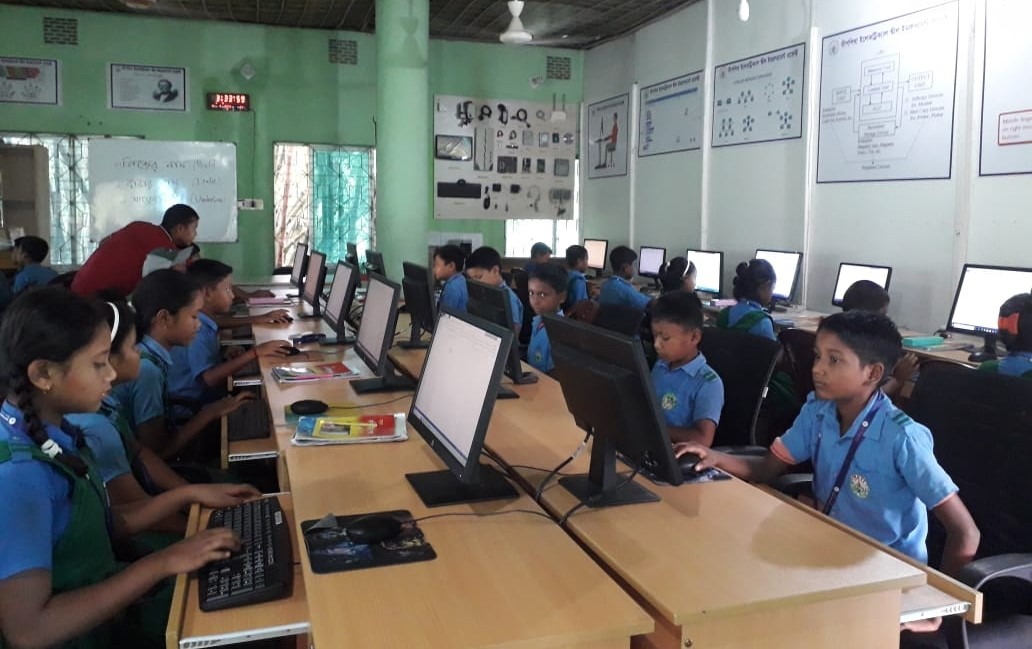
Modern Education and Training Institute (METI), Phase-X
OngoingIntroduction/Purpose: Dipshikha Modern Education and Training Institute (METI) is a special kind of learning approach. It is a result of long experience of Dipshikha in children’s education. The concept and approach of METI have been starting since September 1999. Remarkable impacts and popularity are found among the learners and in the community. It’s a continuation project, so it has been given emphasis the impacts of the previous phase, villagers opinions, guardian/parents, Facilitator’s and student’s views in future. METI is not only the Educational Support for the rural people but also transforming the Society on the basis of Patriotism, Truthfulness, Inter-Religious Harmony, Free Thinking, etc.
Funded By: 1. Partnerschaft Shanti Bangladesh e.V, Germany 2. Kindermissionswerk ̴ Die Sternsinger
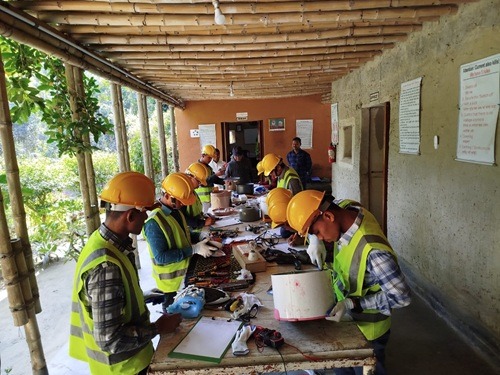
Dipshikha Electrical Skill Improvement (DESI) Project, Phase-VI
OngoingIntroduction/Purpose: Dipshikha Electrical Skill Improvement (DESI) Project was initiated in 2007 to improve the electrical skills among a group of youths in the rural area of Bangladesh in order to reduce the high risk of accident and to increase the income of the families. There is a high demand of skilled electrical manpower in the rural areas as well as in companies. The training will directly reduce the risk of accident and help families to increase their income which is directly link to poverty reduction (One of the main millennium goals). This project developed according to the Dipshikha strategy and in the line of national development plan. Dipshikha emphasizes on the human development and for this Dipshikha takes up social and technical skill development projects. The electrical skill development training is a very important training course in consideration to the rural development. This skill training will create the skilled electrical manpower and employment opportunities in rural and urban areas as well.
Funded By: Shanti Switzerland

PEER (Participation, Empowerment and Equal Rights for the Rural Poor)
OngoingIntroduction/Purpose: After assessing and analyzing the people’s needs and problems, the team recommended for intervention through project activities, which will address the core problems of the poor. From analysis, a vulnerable situation in the field of economic activities, agricultural production, woman situation in the family and society, education sectors and overall health condition are identified as very poor situation in the areas. Although the people suffer from unlimited problems in the areas, but the project is prepared aiming to bring the poorest and marginalized families in a development process. It is expected that the project will be created avenue and new era for the target families to be free from the vulnerability. Dipshikha believes that once the people become resourceful and get the opportunities including knowhow to use their limited resources efficiently, they will be enrolled with the development process and they will be able to keep the development process continue which will lead to change their life situation.
Funded By: 1. Internationaler Ländlicher Entwicklungsdienst (ILD), Germany 2. Partnerschaft Shanti Bangladesh e.V, Germany

Strengthen Capacity of Rural Poor Families to Enhance Economic Development and their Basic Right (SAFE)
OngoingIntroduction/Purpose: The Dipshikha SAFE project implemented in Ranisankail Upazila of Thakurgaon district, the northwest part of Bangladesh. It is fully a new area with new beneficiary families. It shows in the poverty map of the country that 49% – 60% people are living in poor condition. There are different faith community people (Muslim, Hindu and Adivasi) are living in the area. Dipshikha works with all levels of people. Dipshikha aiming to be united and capacitated the rural women and farmers to claiming their equal rights in the society and avail opportunities provided by govt., NGOs, etc.
Funded By: 1. Bischoefliches Hilfswerk MISEREOR e. V. 2. Partnerschaft Shanti-Bangladeshe.V. Germany

The Meaningful Participation and Inclusion of Children and Youth with Disabilities in All Domains of Community-Based Rehabilitation (MaPInCBR)
OngoingIntroduction/Purpose: Through this project, the project will work to implement the fundamental rights of children and youth with disabilities such as health care, education, socialization, empowerment and employment. Educational opportunities and accessibility will be increased through integrated education for children and adolescents with disabilities. Healthcare access will be increased through physiotherapy, assistive devices and medical services. Families of persons with disabilities and the local population will gain awareness about disability and their rights. Children with disabilities will have the opportunity to receive education in an accessible environment in educational institutions.
Funded By: Stichting Liliane Fonds, Nederland Implementing by Centre for Disability in Development (CDD)
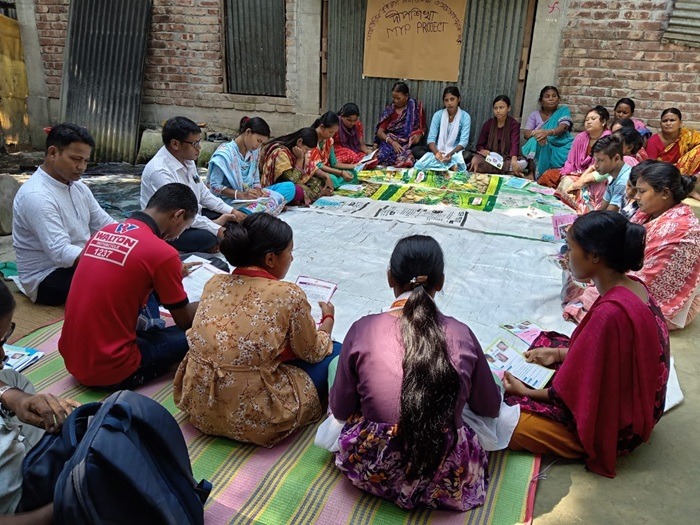
The Meaningful Participation of Youths with Disabilities (inc. Youth affected by Leprosy) (MYP)
OngoingIntroduction/Purpose: Through this project, the project will work to implement the fundamental rights of children and youth with disabilities such as health care, education, socialization, empowerment and employment. Educational opportunities and accessibility will be increased through integrated education for children and adolescents with disabilities. Healthcare access will be increased through physiotherapy, assistive devices and medical services. Families of persons with disabilities and the local population will gain awareness about disability and their rights. Children with disabilities will have the opportunity to receive education in an accessible environment in educational institutions.
Funded By: Stichting Liliane Fonds, Nederland Implementing by Centre for Disability in Development (CDD)

Dipshikha Microcredit Program (MCP – Dipshikha Self-Reliant Project)
OngoingIntroduction/Purpose: Family development approach (FDA) and group approach (GA) strategies were applied as development tools to consider the total development of the target beneficiaries. It is proved by Dipshikha that involvement with development process through preparation of Family Development Plan (FDP) of the families is very effective means in the field of sustainable rural livelihood development. With that stated view, all projects of Dipshikha like- donor funding projects and Dipshikha MCP/SR (revolving fund) project have a mechanism to encourage and extend supports to the families to engage themselves in income earning activities as well as to create self-employment.
Funded By: Dipshikha Own Revolving Fund